- Drawings by Brooks Kim
- Posts
- Why Squinting Makes Colors Clearer
Why Squinting Makes Colors Clearer
Blurring your vision to sharpen what matters

brooks kim
September 30, 2025
When I paint, there are moments when forms, values, or colors all feel unclear.
I stare at the canvas, but nothing looks sharp enough to decide on.
And then I half-close my eyes.
It feels like I’m blurring my vision —
yet the colors stand out more.
The small details dissolve,
and what remains are the big blocks of value and color.
Warm vs cool, light vs dark —
they separate more cleanly, and I can finally decide what to put down.

Original reference vs squinted/blurred version — details dissolve, blocks of value and color remain.
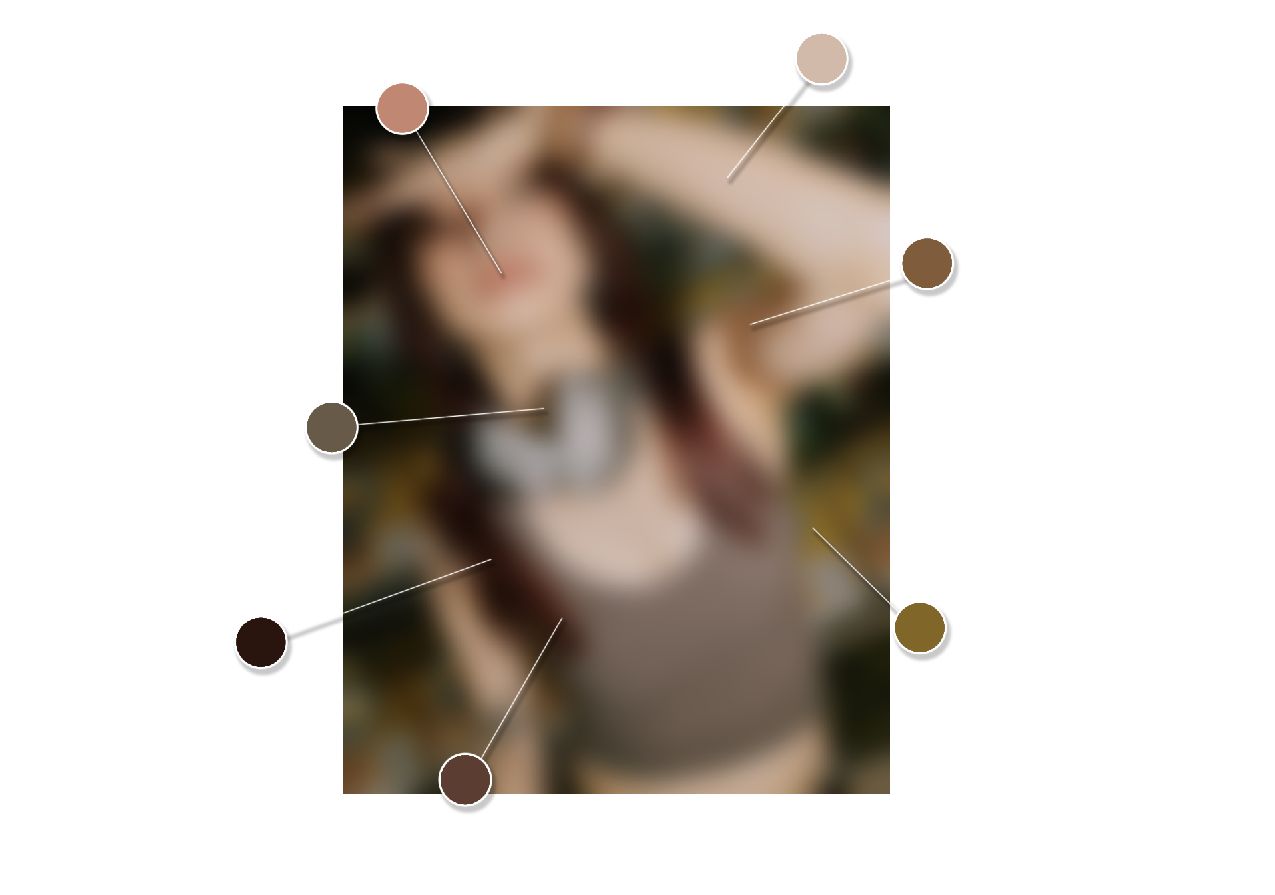
By squinting, the noise falls away and the main color blocks stand out more clearly.
This doesn’t only apply to color, but also to values and light.
This isn’t a trick; it’s a tool.
Painters have relied on it for generations,
and it’s still taught in ateliers today.
When you squint, the noise drops away,
and the essentials rise to the surface.

Applying squinting while painting — decisions on light and color become sharper.
Try this
Next time you’re stuck choosing colors:
Step back from your canvas.
Half-close your eyes.
Ask yourself: What still holds up? Where does the light really falling?
You’ll notice that while the world looks blurrier,
your decisions become sharper.
This note focused on how squinting can make colors clearer.
In the next Drawing Note, I’ll share how I actually build color on the canvas —
starting with broad gradients and connecting tones, before moving into detail.
— Brooks